Charleston Paving Solutions is a great way to refresh the look of a driveway, outdoor steps or garden pathways. There are many types of paving materials to choose from, and each one has its own unique benefits.

The type of paving material you choose should be dictated by how the area will be used. For instance, a homeowner that plans to use their outdoor space for entertaining should consider choosing a durable option like concrete or asphalt.
Asphalt pavements are the backbone of modern infrastructure, enabling cities and regions to keep moving. New technology is reshaping this infrastructure, with stronger materials and smarter construction making asphalt pavement more durable, affordable, and sustainable.
As a result, asphalt continues to be the preferred paving material in road construction projects across Europe. Its constructability enables fast construction processes, keeping traffic flowing while the pavement is being installed. This benefits both travelers and local businesses.
The basic ingredients of asphalt are bitumen (a black, sticky hydrocarbon substance) and aggregates. The aggregates are a mix of different types of rock, sand, and gravel that provide strength and durability to the asphalt. The bitumen acts as a binder, holding the aggregates together and giving the asphalt its flexibility. Bitumen is derived from crude oil, but it does not release any harmful substances into the environment as it ages and degrades.
Asphalt’s weather resistance is another benefit. Unlike concrete, which can develop cracks during freeze-thaw cycles, asphalt can expand and contract in extreme temperatures without significant damage. It also absorbs heat during the winter, melting snow and ice more quickly than other paving materials. This allows roads to remain safe for drivers, while reducing the use of excessive de-icing chemicals that are damaging to the environment.
With an extensive selection of asphalt mixes available, a property manager can choose the right product for their specific needs. For example, a porous asphalt mix helps to reduce water spray, which can blind drivers and slow them down in wet conditions. It also assists in dispersing surface water, which can reduce aquaplaning and improve visibility for drivers.
An asphalt surface can also be designed with skid-resistance properties, improving safety for pedestrians and vehicles. In addition, it can help to lower noise levels compared to other paving materials.
As a long-term investment, asphalt pavements are highly cost-effective and require minimal maintenance, saving both upfront and operational costs for the property owner. With regular crack sealing and periodic resurfacing, asphalt can last up to 15 to 20 years with little to no damage.
Concrete
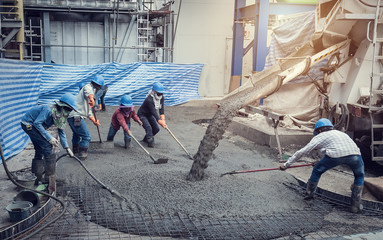
Concrete is a highly durable material that stands up well to traffic and environmental stressors. However, its longevity and durability depend on a number of factors, including maintenance and installation techniques. A comprehensive understanding of these variables is essential for maximizing the lifespan and value of concrete paving.
For example, a properly prepared base can significantly lower the likelihood of future issues like shifting and cracking. Consequently, homeowners should invest in quality materials and professional installation to minimize initial costs and maximize the lifespan of their concrete paving.
Similarly, the concrete mix used in pavement construction is also a crucial factor. Opting for a premium mix that is carefully proportioned with cement, aggregates, and water can bolster the material’s durability and resistance to cracking. This enhanced performance can markedly improve the lifespan of the pavement, allowing it to withstand heavy loads and extreme weather conditions for longer periods.
Incorporating recycled materials into the concrete mix is another way to bolster the sustainability of a paving project. These elements can be anything from crushed rock, gravel, old bricks, or even concrete rubble that has been cleaned of plaster and crushed into small pieces. Using these recycled materials helps reduce waste and conserves natural resources, while underscoring the project’s commitment to eco-friendly construction practices.
Maintaining a regimen of regular maintenance tasks, including inspections and timely interventions, is crucial for safeguarding the integrity of concrete paving over time. Performing these essential tasks can prevent minor damages from escalating into major problems, thereby preserving the structural integrity of the pavement and minimizing costly repairs and replacements.
In addition to bolstering the durability of concrete paving, these environmentally conscious materials can help combat climate change. For instance, light-colored concrete pavements reflect sunlight and keep urban areas cooler during hot seasons, reducing energy consumption and helping to mitigate the urban heat island effect. This can have positive effects on the health and wellbeing of people living in cities. Additionally, these pavements can increase site safety and improve traffic flow efficiency. This is why these types of paving are used in many city streets, airports, and other public spaces.
Bricks
Brick paving is a beautiful way to add elegance and sophistication to your home’s outdoor spaces. It is durable and can withstand heavy traffic without damaging the pavers, making it the perfect choice for driveways, patios, and walkways. Brick paving is also versatile, allowing for a wide variety of shapes, sizes, and patterns to suit any environment and taste.
The first step in installing a brick paved surface is to excavat the site. This involves digging down to the required depth and then adding a layer of crushed rock. This layer should be compacted with a bobcat or plate compactor to ensure that the base is properly compacted. After the base has been prepared, a screeding sand can be added and then the pavers laid over it. Once the pavers have been laid, the space between them is filled with concrete sand to hold them in place and prevent them from shifting over time.
There are many different types of paving bricks, but US bricks are the most common and readily available. These bricks are made from fireclay and are fired in a kiln at temperatures of up to 1100 degrees Celsius, which gives them their durability and strength. The material is also environmentally friendly, as it requires less energy to produce than other paving materials and can be recycled for future use.
One of the most popular uses of paving bricks is to create garden paths. These pathways can be used to connect different areas of your property or to create a link between a house and a garden. The material is easy to work with and allows for a wide range of creativity when designing your pathway. You can even use bricks to make a small wall or decorative feature in your garden.
Another benefit of using paving bricks is that they can be easily removed and replaced, should damage occur. This makes them a more sustainable building material than poured or stamped concrete. Furthermore, they are made from natural clay products that can be re-used and recycled, reducing the overall environmental impact of construction.
Stones
Stones paving are an excellent choice for driveways and patios. They’re extremely durable and come in a wide variety of shapes, colors, and textures. They also offer a natural and aesthetically pleasing look that can be customized to your exact preferences. This allows you to create a unique design that will enhance the aesthetics of your home’s exterior. There are many different types of stones used for paving, including granite, sandstone, and limestone. Each type of stone has its own unique advantages and disadvantages.
Travertine is a popular type of natural stone that has been used for centuries in building construction. It is known for its beautiful and distinctive veining patterns that give each stone character. It’s also very durable and can withstand high levels of wear and tear. However, travertine can be susceptible to color fading if not properly maintained.
Porcelain is a man-made material that is created by baking a mixture of clay, sand, and minerals in a high-temperature kiln. It’s available in a range of colors and finishes, making it easy to match your paving with your home’s existing décor. However, it can be more difficult to cut and install than other materials. It also requires a stronger mortar to hold it in place, which can be expensive.
Concrete pavers are made from compressed concrete units that are laid on a bed of compacted road base and a leveling layer of sand. The joints between the pavers are filled with sand, which prevents weed growth and adds stability to the surface. Paving stones are an ideal option for driveways, walkways, and garden paths because they can be repositioned easily if needed. They’re also more resistant to cracking than poured concrete and are more durable than asphalt.
Stones are an attractive paving solution that increases the reselling value of your property. They’re also easy to maintain and are less likely to retain dirt, liquids, and hazardous substances. In addition, they don’t need yearly maintenance like mulch, and they’re more resilient to winter weather conditions. They’re also a safer alternative to other paving materials because they aren’t as slippery.